

Here's a summary of what he covered and why we think this matters.
Every year, AI Appreciation Day generates a wave of commentary about artificial intelligence (AI) - its promise, its risks, and the pace of change. Most of it is written for a general business audience. Not much of it speaks directly to the people running factories, maintaining critical infrastructure, managing increasingly complex asset landscapes with rapidly shrinking teams. This is a CEO's perspective on AI in Asset Management.
The knowledge risk hiding inside your maintenance operation
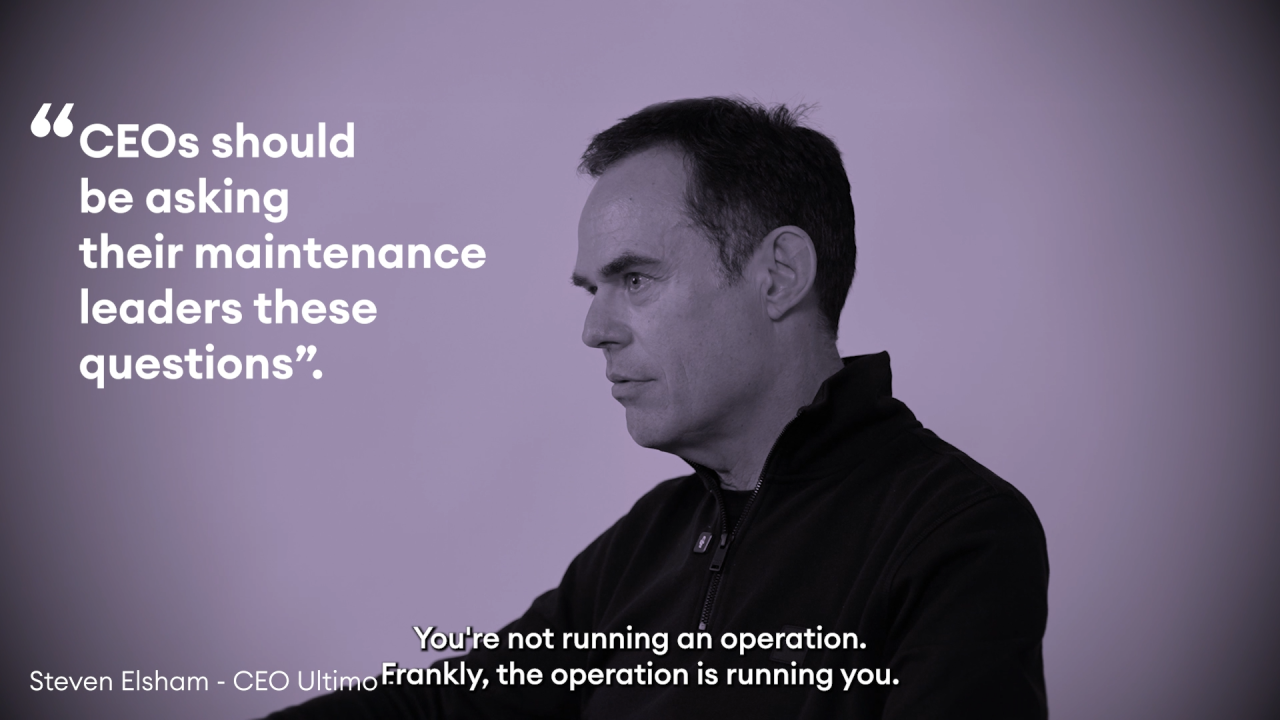
The first thing Steven addresses is a question he puts directly to fellow CEOs: if your most experienced technician retired tomorrow, what would you lose?
It sounds like an HR question; it isn't. It's a risk question, and in most industrial organizations, it's being treated as the former rather than the latter. Critical operational knowledge - the kind that keeps production lines running, that catches problems before they become failures, that makes the difference between a planned intervention and an emergency shutdown - lives in people's heads far more than it lives in systems.
Most leadership teams underestimate this. Steven argues that surfacing this question at the right level of the organization is the first step toward dealing with it.
The 70 percent threshold
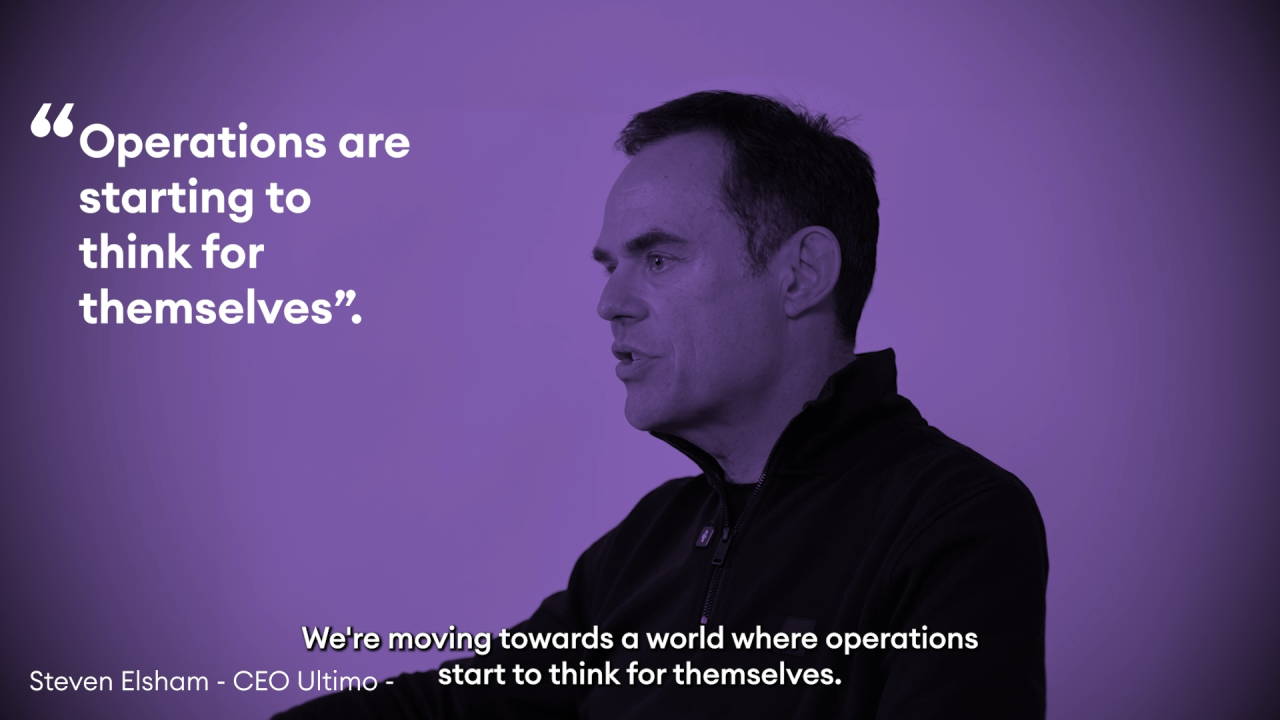
Steven's second question is direct: what percentage of your maintenance work do you have control over, because it is planned rather than reactive?
His benchmark: if the honest answer is less than 70 percent, the operation is running the team rather than the other way around. Most maintenance organizations know this gap exists. Few have a credible plan to close it. The shift from reactive to planned maintenance is one of the most well-documented paths to improved uptime and lower cost - but it requires structural change, not just better tools.
This is where AI begins to play a meaningful role. It helps give teams the visibility and intelligence to plan further ahead, identify risks earlier, and make better decisions about where to focus.
The data question most leaders are getting wrong
Steven is pointed about dashboards in that every company has enough of them. That is not the problem.
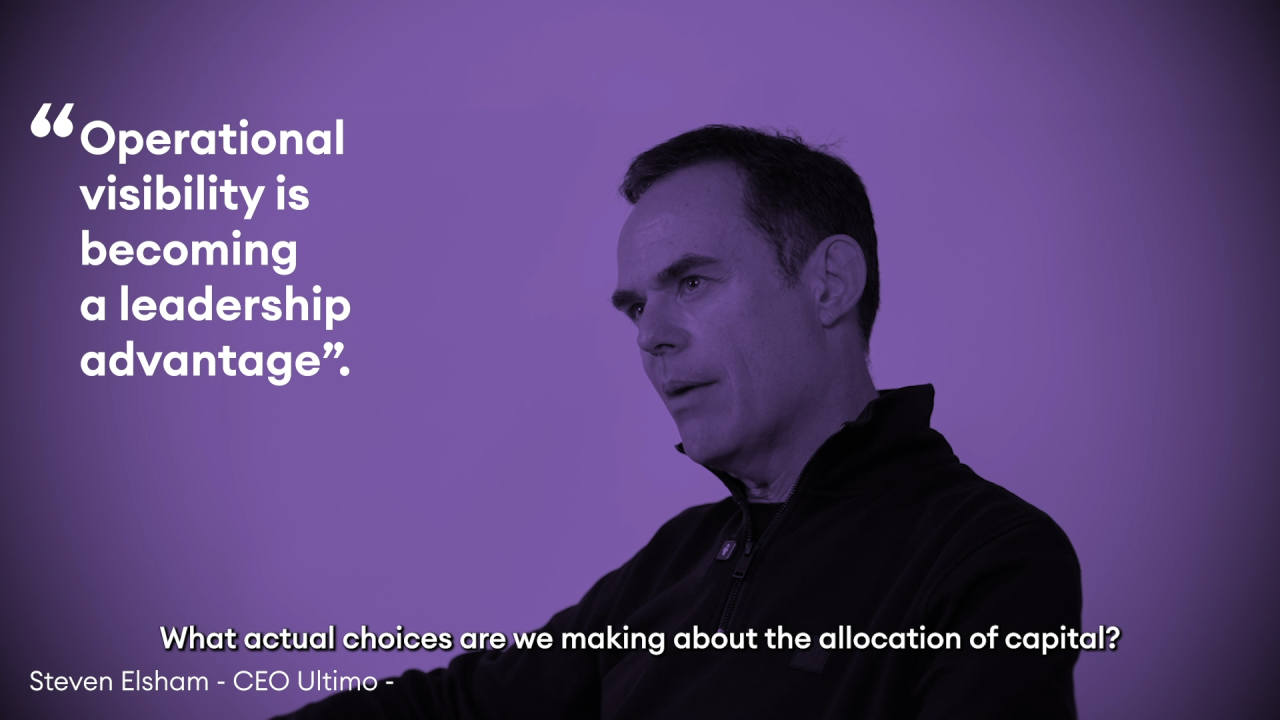
The real question is what decisions are being made on gut feel that could be made more confidently with better data. Choices about capital allocation. Choices about downtime windows. Choices about risk tolerance across an asset base. In most industrial organizations, the data that would inform these decisions exists somewhere - it just hasn't been connected to the moment of decision in a way that changes behavior.
That gap, Steven argues, is where the biggest untapped opportunity lies for most businesses.
A fundamental shift in how operations work
Beyond the diagnostic questions, Steven makes a broader argument about where industrial operations are heading.
For the last century, the logic has been simple: things break, and we fix them. Preventative maintenance and condition monitoring made the model more sophisticated, but the underlying premise remained the same - we react to the physical world.
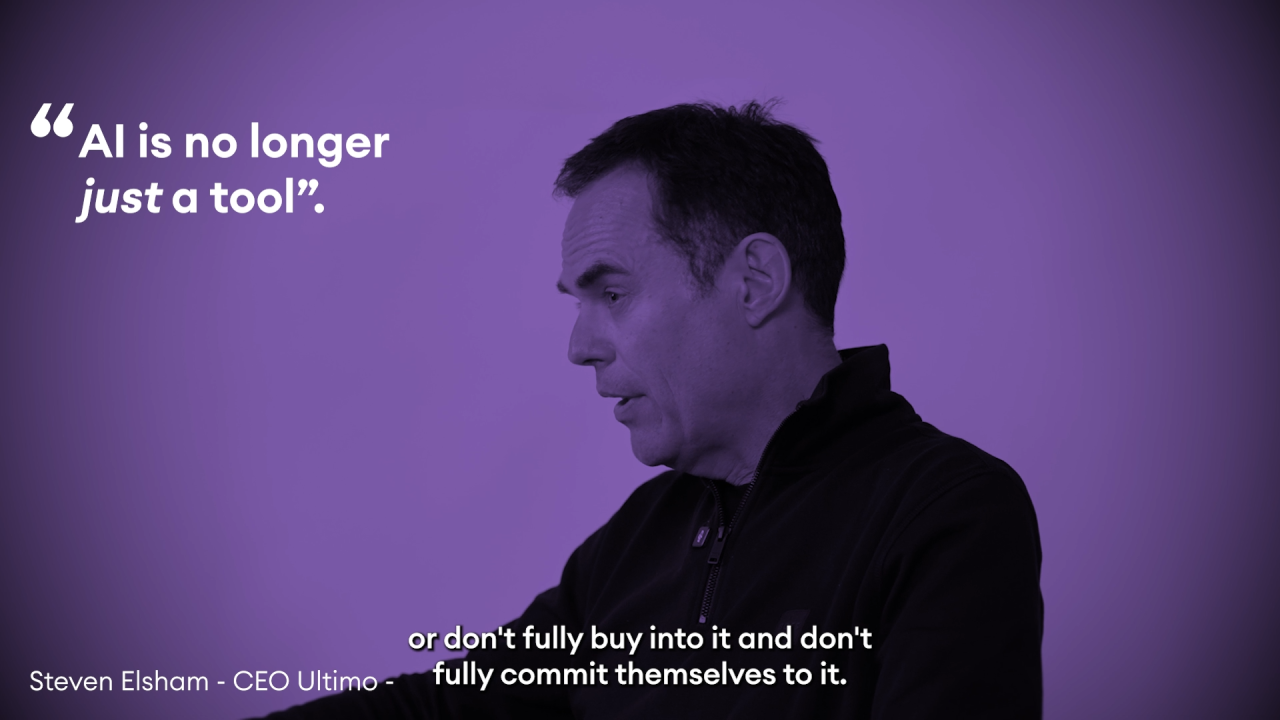
AI changes that premise. It enables a world where operations start to think for themselves. Assets that start to understand their own condition. Systems that surface failure risks before they're noticeable to any human. Decisions about capital, risk, and uptime made with genuine data clarity rather than accumulated instinct.
That is a structural shift in how industrial businesses can operate.
The hybrid workforce - five years out
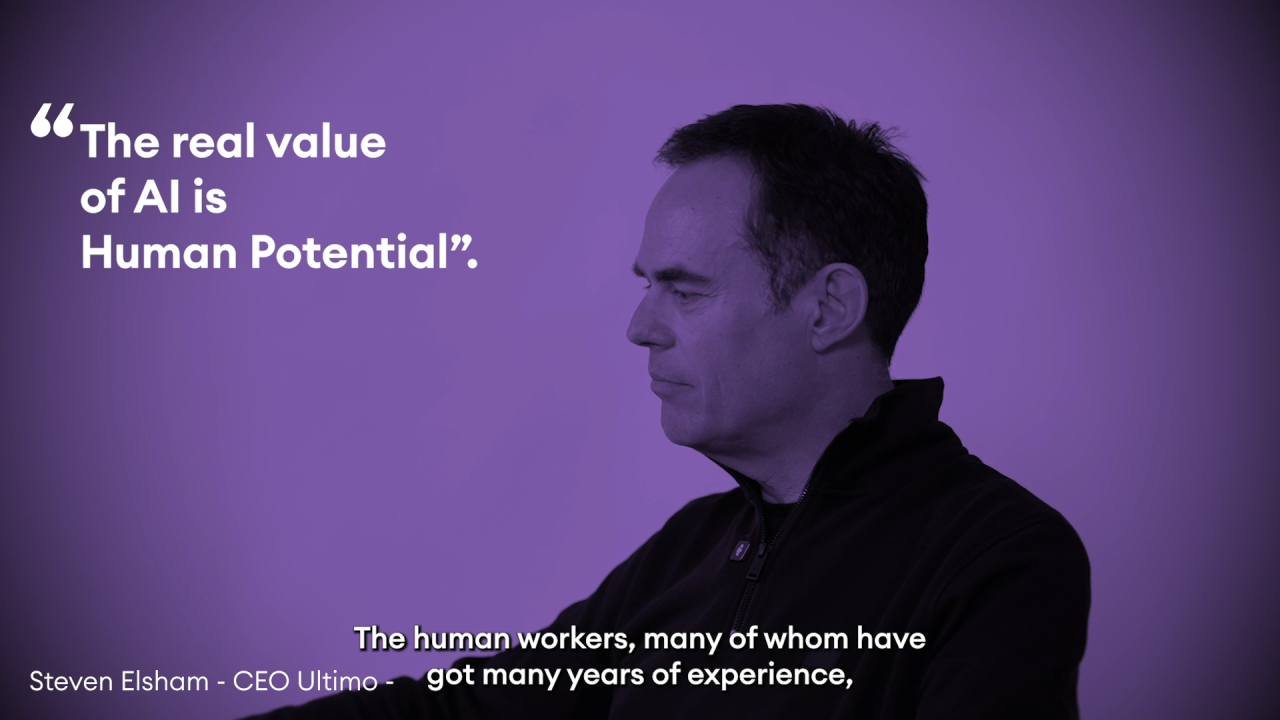
Steven offers a specific vision of what high-performance maintenance teams look like in five years. They will be hybrid operations: human workers, digital workers, and robotic workers functioning together.
Human technicians - particularly the most experienced ones - will be augmented by AI systems that help them diagnose problems faster, surface relevant history, and access the collective knowledge of the organization in real time. Robotic workers will handle inspections in difficult and hazardous environments, bringing levels of precision and consistency that human workers cannot always replicate. Digital workers will manage the planning, scheduling, and data-heavy tasks that currently consume time better spent on complex problem-solving.
The result, Steven argues, is not fewer maintenance workers doing less interesting work. It is a smaller number of people doing significantly more valuable work - and maintenance transitioning from a cost center to a direct contributor to revenue through improved uptime.
What this means for leaders making decisions now
Steven is clear about the stakes. The organizations that understand this shift and commit to it will lead their industries in the next decade. The ones that treat AI as something to pilot indefinitely, or layer onto existing processes without changing how work is fundamentally structured, will find themselves falling behind at a pace that compounds over time.
The maintenance challenges facing industrial organizations are real and growing. Aging assets, fewer experienced workers, sustainability targets, rising operational complexity. These are not problems that incremental improvements will solve.
AI Appreciation Day is a useful moment to ask whether your organization is engaging with this shift at the level of leadership and operating models, where the impact is most significant.
Watch Steven's full video series on his LinkedIn profile throughout July, starting on AI Appreciation Day, 16 July.