
Industry challenges
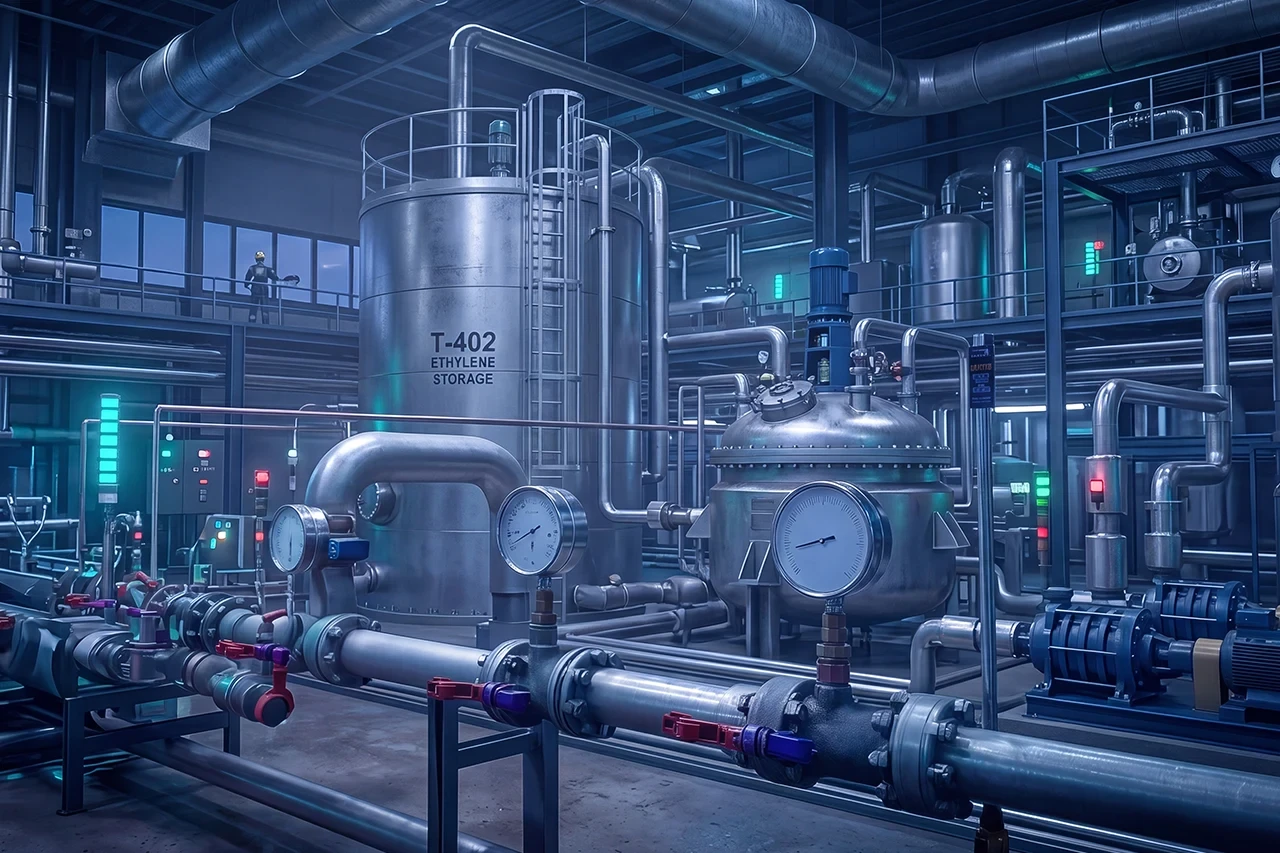
Chemical operations run under conditions that expose the limits of disconnected tools, paper permits, and spreadsheet-based safety data. Three pressures show up across many sites.
Process safety has to hold at the point of work
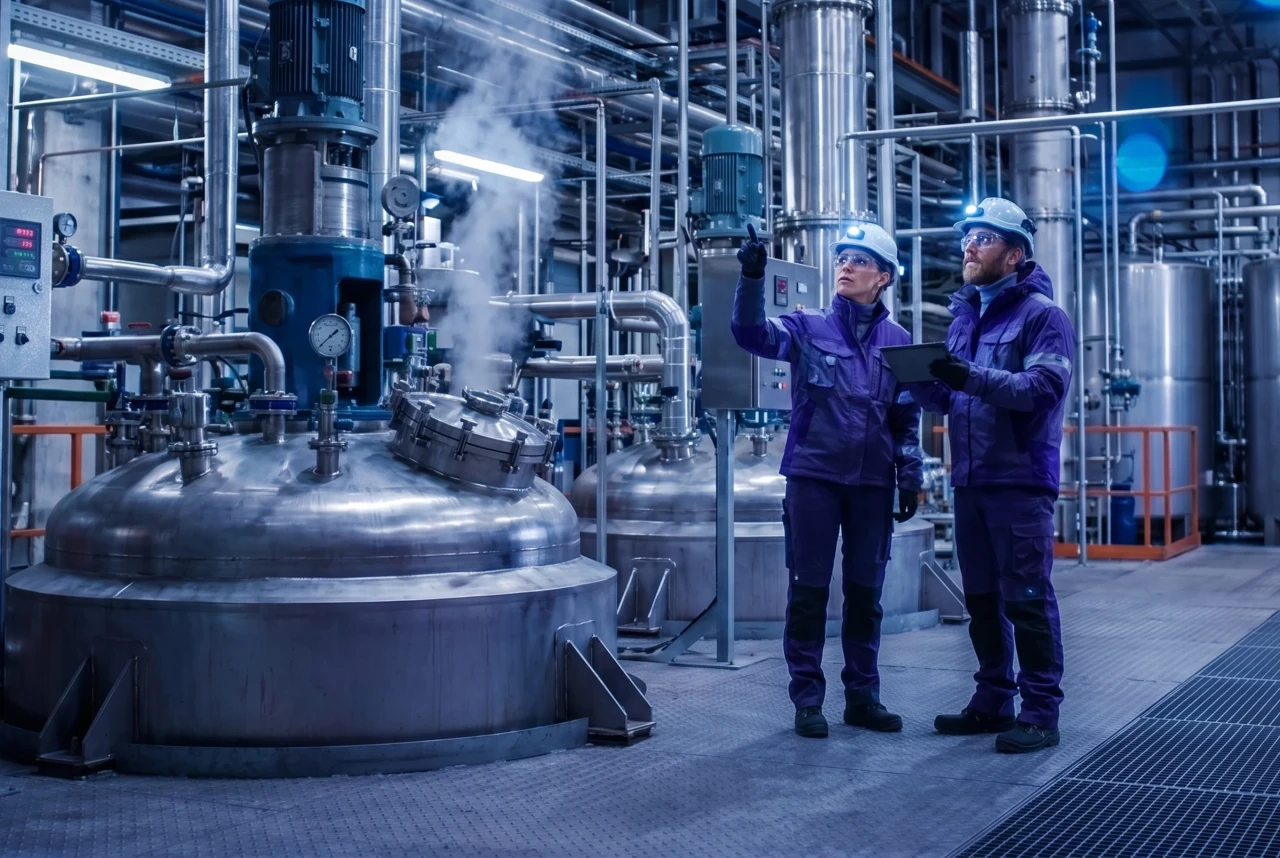
The difference between controlled operations and a serious incident often depends on whether procedures are followed at the point of work, not signed off after the fact.
Paper permits, sticker-based Lockout/Tagout, and email-driven change requests can make it harder to enforce the controls a hazardous site requires. Ultimo supports Lockout/Tagout, work permits, and Management of Change as controlled workflows inside the EAM. Workflows can be configured to require prerequisite isolations before permits are issued, guide LOTO steps in sequence, and route changes for the right approvals before work proceeds.
Unplanned downtime puts margin at risk
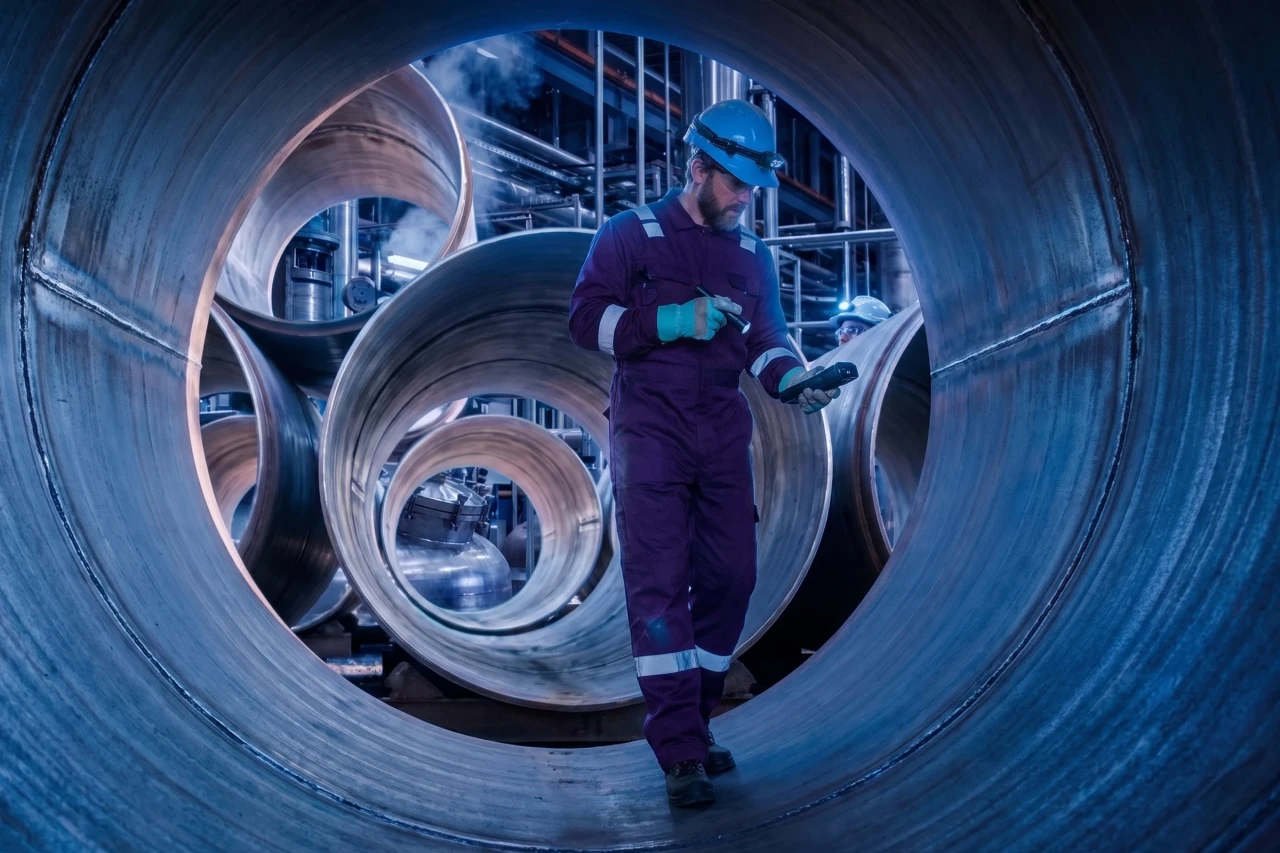
In continuous chemical production, an unplanned stop can affect batches, throughput, delivery commitments, and margin. Reactive maintenance keeps teams firefighting instead of preventing failures.
Ultimo supportsdrives proactive maintenance with Embedded-AI guidance that surfaces asset needs earlier, prioritize work more consistently, and reduce the risk of failures interrupting production. The result is a more structured way to protect asset availability and keep maintenance focused on the work that matters most.

Operational data is trapped in silos
When Maintenance, Quality, HSE, and Operations each work from different data sets, decisions slow down and risk hides in the gaps.
Ultimo gives teams one shared view of assets, work, safety activity, and performance. Standardized workflows and Power BI dashboards help Operations, Quality, HSE, and corporate governance work from the same operational data across shifts, units, and sites.
Intelligent Asset Management for chemical manufacturers
Ultimo supports the asset lifecycle for chemical operators, from acquisition and commissioning to proactive maintenance, work orders, spare parts, HSE workflows, and retirement.
The outcome is a more connected way to manage asset performance, safety execution, and inspection evidence in one operational foundation.
Process safety governed inside the EAM
Large-scale chemical incidents often involve familiar patterns: mechanical integrity drift, weak permit-to-work control, unmanaged changes to hazardous processes, or safety signals that surface too late.
Ultimo supports digital process safety governance where the work happens. Every asset can carry its mechanical integrity record, calibration evidence, inspection history, and maintenance activity. The HSE Suite supports Lockout/Tagout, work permits, Management of Change, and Incident Management as controlled workflows inside the same EAM environment.
An HSE digital worker can scan incoming work requests for safety-relevant signals and draft an incident report for review. The HSE Officer validates, completes, and acts on the report, helping teams identify risks earlier while keeping human oversight in place.

Higher asset availability
Better data helps teams act earlier. Ultimo gives maintenance and reliability teams a clearer view of asset condition, work history, inspection findings, and risk. Embedded-AI guidance helps planners prioritize the work that protects uptime, while standardized workflows keep teams executing consistently.
That means maintenance resources can be focused where they create the most value: protecting availability, reducing avoidable disruption, and supporting safer operations.

A faster path to operational value
With the right scope and commitment, Ultimo customers can move from decision to go-live in as little as three months, well ahead of the multi-year timelines typical of large enterprise EAM rollouts.
Ultimo brings decades of operational best practice into templated solutions for chemical manufacturing, so teams start with industry depth rather than a blank canvas. The Ultimo Configuration Tool then helps teams tailor workflows, fields, and dashboards to how the plant actually runs, with less dependency on custom development or heavy implementation support.
Enterprise operational breadth. Faster time to value.

Your asset ally
The cost of standing still is high in continuous chemical production. Unplanned downtime, inspection gaps, and uncontrolled workflow variation can all affect safety, margin, and production continuity.
Proof points to verify before publication:
27 hours per month: industry-average unplanned downtime at a large plant, according to Siemens True Cost of Downtime, 2024.
40% downtime reduction: Kisuma Chemicals achieved this result with Ultimo through an FMECA-driven reliability strategy under Seveso directive requirements.
Support inspection readiness for Seveso, OSHA PSM, and ATEX
Seveso, OSHA Process Safety Management, and ATEX place high expectations on chemical operators to control hazardous processes, document mechanical integrity, manage change, support permit-to-work, track training, and respond to incidents with clear evidence.
Ultimo helps chemical operators build the data and workflow foundation needed to support inspection readiness. Asset lifecycle records, Lockout/Tagout, work permits, Management of Change, and Incident Management can run inside the same software environment. HSE digital worker capabilities can help identify safety-relevant signals earlier, while Power BI dashboards provide clearer visibility for Operations, Quality, HSE, and governance teams.
Customer stories:Ultimo in action
Kisuma Chemicals
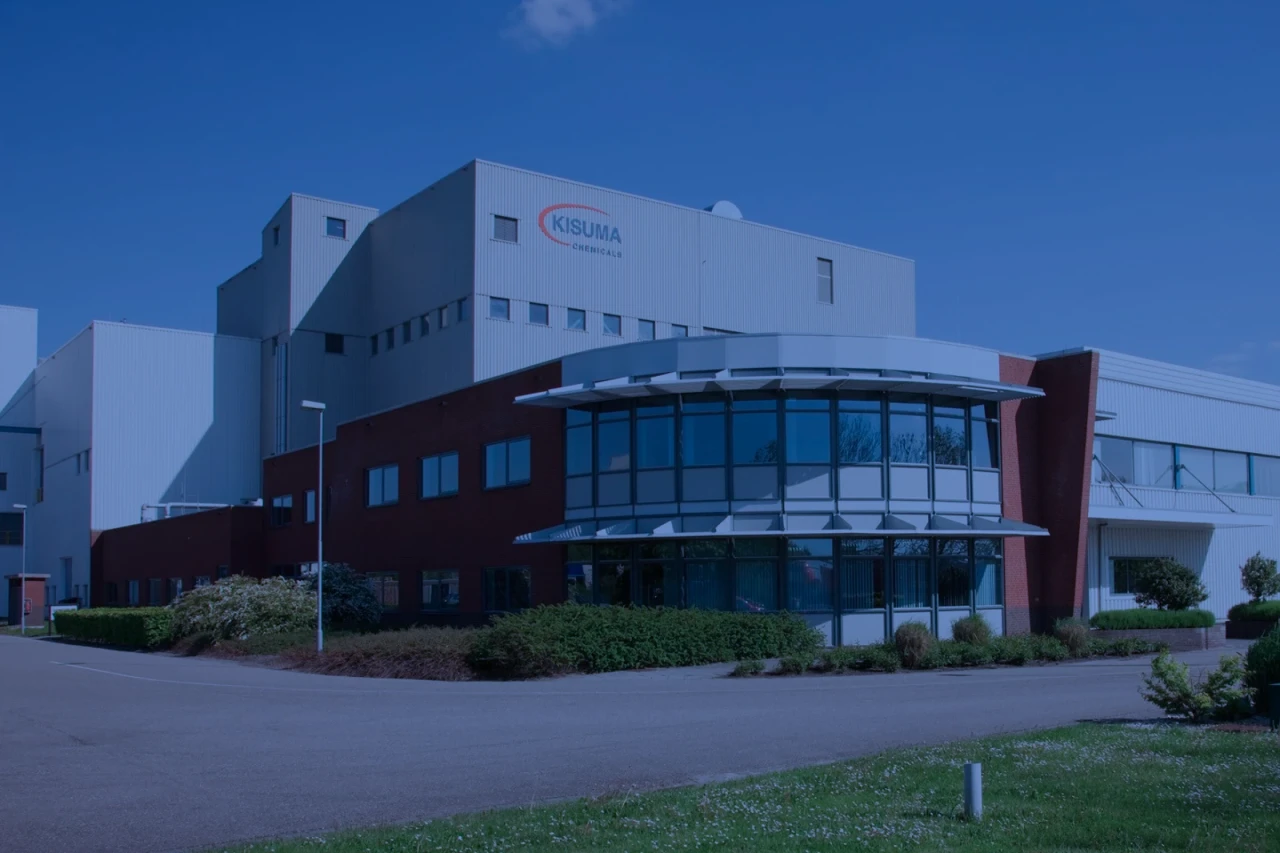
As a high-risk company, Kisuma falls under the Seveso directive. Since they started using Ultimo, they have succeeded in reducing the downtime by 40%.
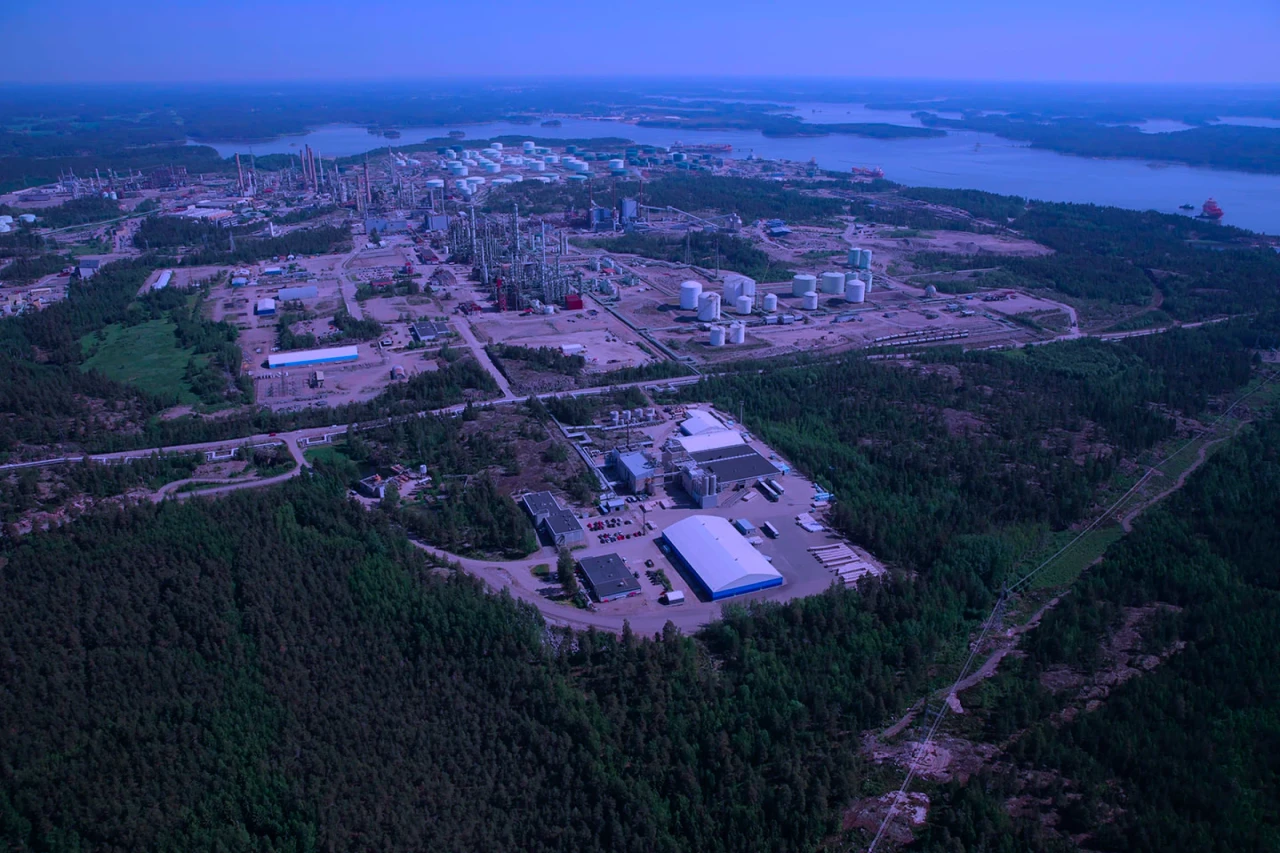

BEWI RAW
The BEWI RAW site at the Kilpilahti industrial estate in Porvoo, Finland, operates 24 hours a day, seven days a week. With uptime of paramount importance, BEWI RAW needed to have optimal visibility over the maintenance status of its assets.
Explore more of Ultimo

Frequently asked questions
-
Chemical manufacturers cannot run modern operations on disconnected maintenance tools, paper permits, or spreadsheet-based safety records. EAM software is the system of record for every production asset across its lifecycle: acquisition, commissioning, preventive and proactive maintenance, work orders, spare parts, HSE workflows, and retirement. Ultimo delivers AI-Embedded EAM to chemical operators, with intelligence inside the everyday work rather than a separate analytics tool. Customer outcomes include Kisuma Chemicals reducing downtime by 40% under Seveso directive requirements, and BEWI RAW gaining optimal visibility over maintenance status across 24/7 operations.
-
Seveso, OSHA Process Safety Management, and ATEX each require chemical operators to evidence rigorous control over hazardous processes: documented mechanical integrity, change management, training, permit-to-work, and incident response, with audit trails an inspector can reconstruct on demand. Ultimo gives chemical operators the data and workflow backbone these frameworks demand. Every asset carries a complete lifecycle record. Lockout/Tagout, work permits, Management of Change, and Incident Management run inside the same software. Autonomous HSE incident reporting captures events at the source, and Power BI dashboards expose the audit trail to Operations, Quality, HSE, and corporate governance in one view.
-
In hazardous environments, the difference between safe operation and a serious incident is whether procedures are followed at the point of work, not after the fact. Paper permits, sticker-based LOTO, and email-driven change requests cannot enforce the controls a chemical site requires. Ultimo's HSE Suite runs Lockout/Tagout, work permits, and Management of Change as enforced workflows inside the EAM. Permits cannot be issued without prerequisite isolations, LOTO steps cannot be skipped, and changes cannot be approved without the right sign-offs. Mobile execution captures evidence at the point of work, and audit trails are retained against the asset and the worker.
-
Large-scale chemical incidents trace back to the same root causes: drift in mechanical integrity, gaps in permit-to-work enforcement, unmanaged changes to hazardous processes, and incident reporting that surfaces too late. Paper procedures cannot catch any of these in time. Ultimo supports digital process safety governance inside the EAM. Every asset carries its mechanical integrity record, calibration evidence, and inspection history. Lockout/Tagout, work permits, and Management of Change run as enforced workflows. Autonomous HSE incident reporting captures events at the source. Power BI dashboards expose process safety KPIs to HSE and corporate governance in near real-time.
Let’s connect
Get your questions answered. Schedule a personalized demo to see how Ultimo EAM for chemical manufacturing can add ease and value to your business. No strings attached.