
Industry challenges
Manufacturers need to optimize plant conditions, maximize asset uptime, and increase productivity while managing safety, cost, ESG obligations, and workforce constraints. Three pressures appear across almost every production environment.
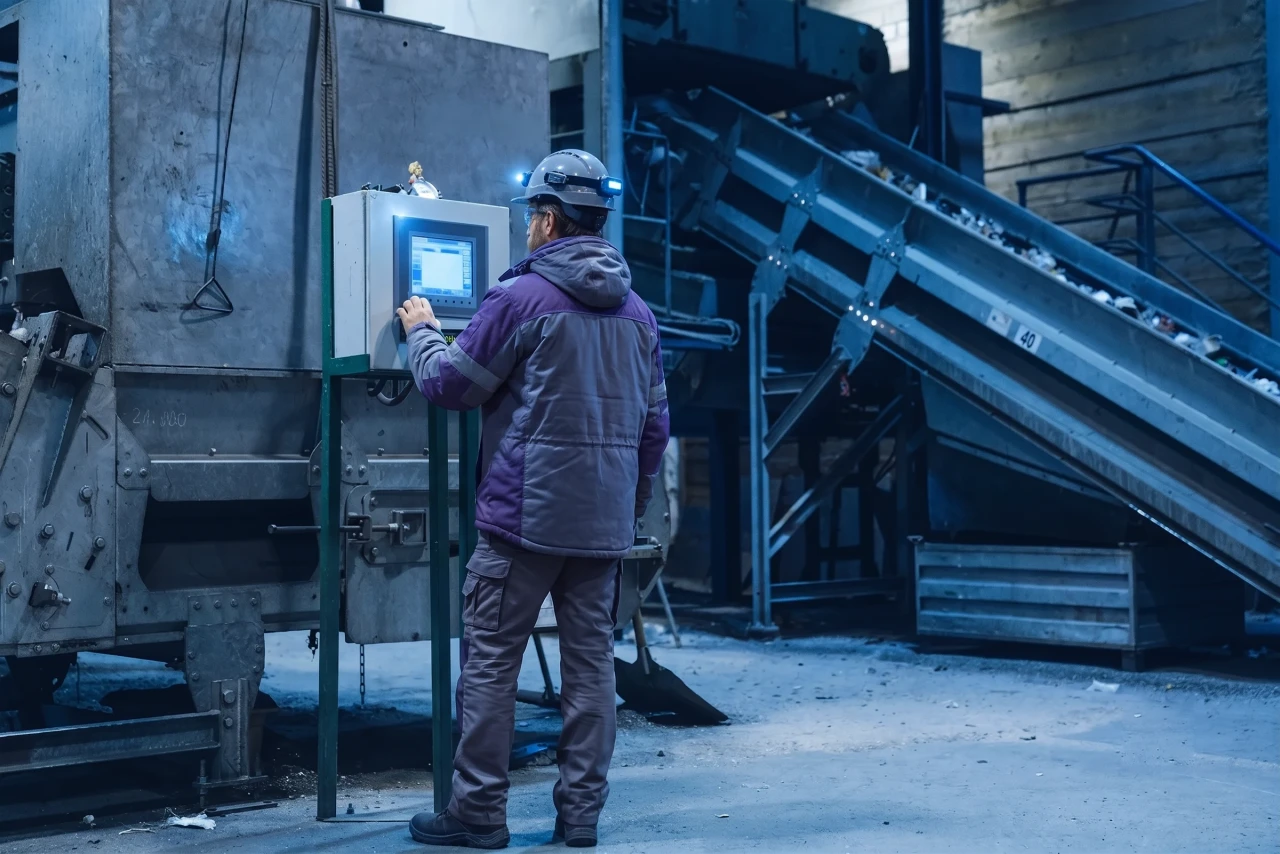
Lack of asset insight
In a fast-moving plant, machines, people, and processes run at the same time. Monitoring asset performance closely is difficult, and a minor issue can escalate before anyone sees it coming.
Ultimo gives operations and maintenance teams a clear view of planned preventive maintenance and related work. Suggestions from the AI embedded in Ultimo can surface risk earlier, so teams can act before small problems reach the line.
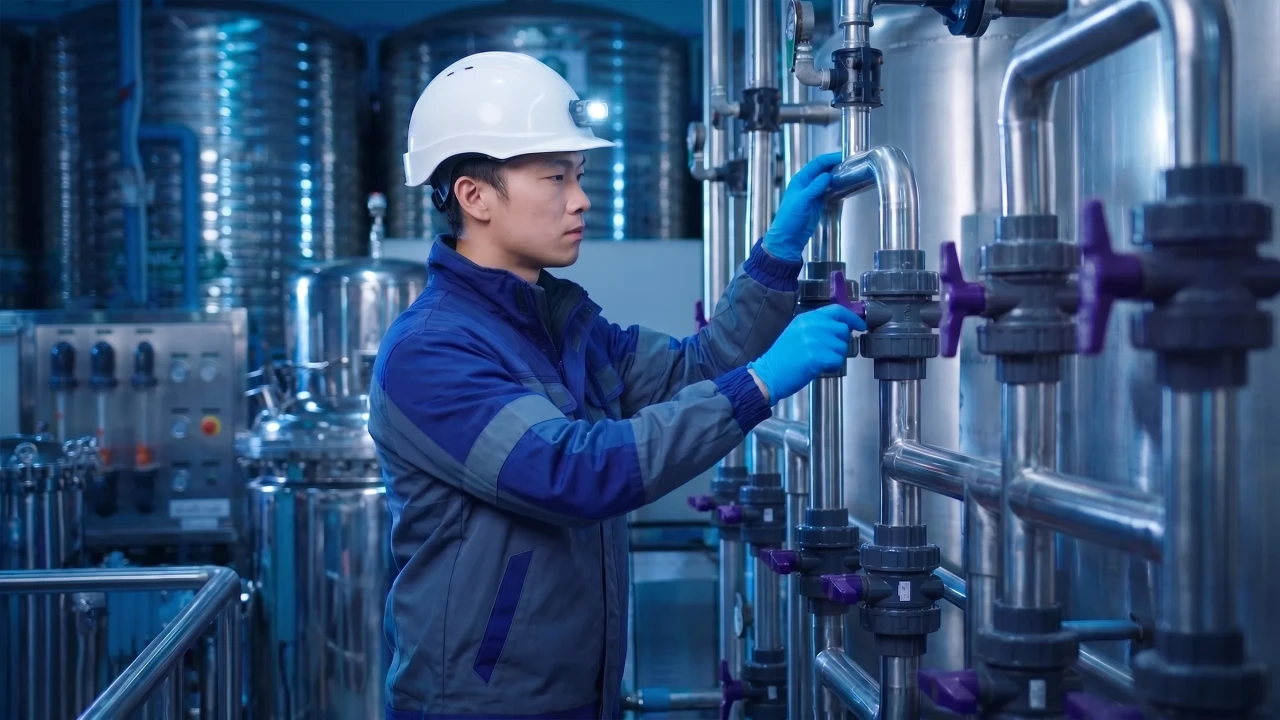
Operational efficiency
Production performance depends on asset reliability. Without reliable equipment and reliable data, productivity suffers and teams make decisions from incomplete information.
Ultimo supports the move from reactive firefighting to proactive, data-driven maintenance. Shared asset data helps maintenance, operations, and finance teams make faster, better-informed decisions about uptime, cost, and performance.

Compliance with HSE regulations
Keeping health, safety, and environment under control in an active facility is difficult without clear oversight of risk. It also makes compliance harder to demonstrate.
Ultimo brings HSE work into the EAM environment. Work permits, Lockout/Tagout, and incident management run alongside maintenance work, so safety processes are part of daily execution and evidence is easier to retrieve when needed.
Intelligent Asset Management for manufacturing
Ultimo helps manufacturers monitor, maintain, and improve production, utility, and facility equipment from one cloud-based EAM solution. It gives teams the asset visibility and workflow control they need to improve uptime, performance, and cost control across the enterprise.

Flexible and out of the box
Your teams can access Ultimo from desktop and mobile devices and start from manufacturing best-practice templates instead of a blank canvas. Decades of operational experience are built into templated manufacturing solutions, helping teams move faster while still tailoring the system to how the plant works.
Effectively monitor performance
Ultimo’s Microsoft Power BI integration brings cross-departmental dashboards into one shared view. Operations, maintenance, and finance teams can work from the same asset data and make more informed decisions faster.
The fastest path to operational value
Ultimo customers can move from decision to go-live in as little as three months. The Configuration Tool lets your own people tailor workflows, fields, and dashboards to how the plant runs, without in-house developers or a large consulting program.
That means enterprise operational breadth without enterprise implementation timelines.
Outcomes manufacturers reach with Ultimo
Outcomes vary by customer, scope, and maturity:
30% downtime reduction at Dr. Schär across manufacturing operations spanning multiple production sites.
40% downtime reduction at Kisuma Chemicals through FMECA-driven reliability analysis.
Technical efficiency improvement from 94% to 96% at Ysco, worth hundreds of thousands in annual cost savings.
Six-month ROI payback at Zandvliet.
5% purchasing savings at Montanwerke Brixlegg through structured spare part control.

AI embedded in the work, not bolted on
Most AI tools understand language. Maintenance teams need AI that understands operational context: asset hierarchies, maintenance workflows, safety protocols, work history, and compliance requirements.
Ultimo embeds AI directly into the maintenance workflow, helping planners and technicians complete everyday tasks faster, more consistently, and with clearer context. AI can support work preparation, suggest failure causes from maintenance history, and draft instructions for review. The governance model is clear: AI suggests, people review and confirm.
Digital workers in the Ultimo AI platform extend that support for more advanced maintenance planning. Ultimo’s Maintenance Planner digital worker consolidates maintenance data and shift information into a proactive morning briefing, researches asset history, and drafts instructions before the shift starts.
At Berkvens Doorsystems, the Maintenance Planner saved each team lead 30 to 60 minutes a day and matched manual analysis at more than 95% accuracy.
For manufacturers managing multiple sites, high asset density, and workforce constraints, this kind of controlled AI support helps teams scale expertise without removing human responsibility from operational decisions.
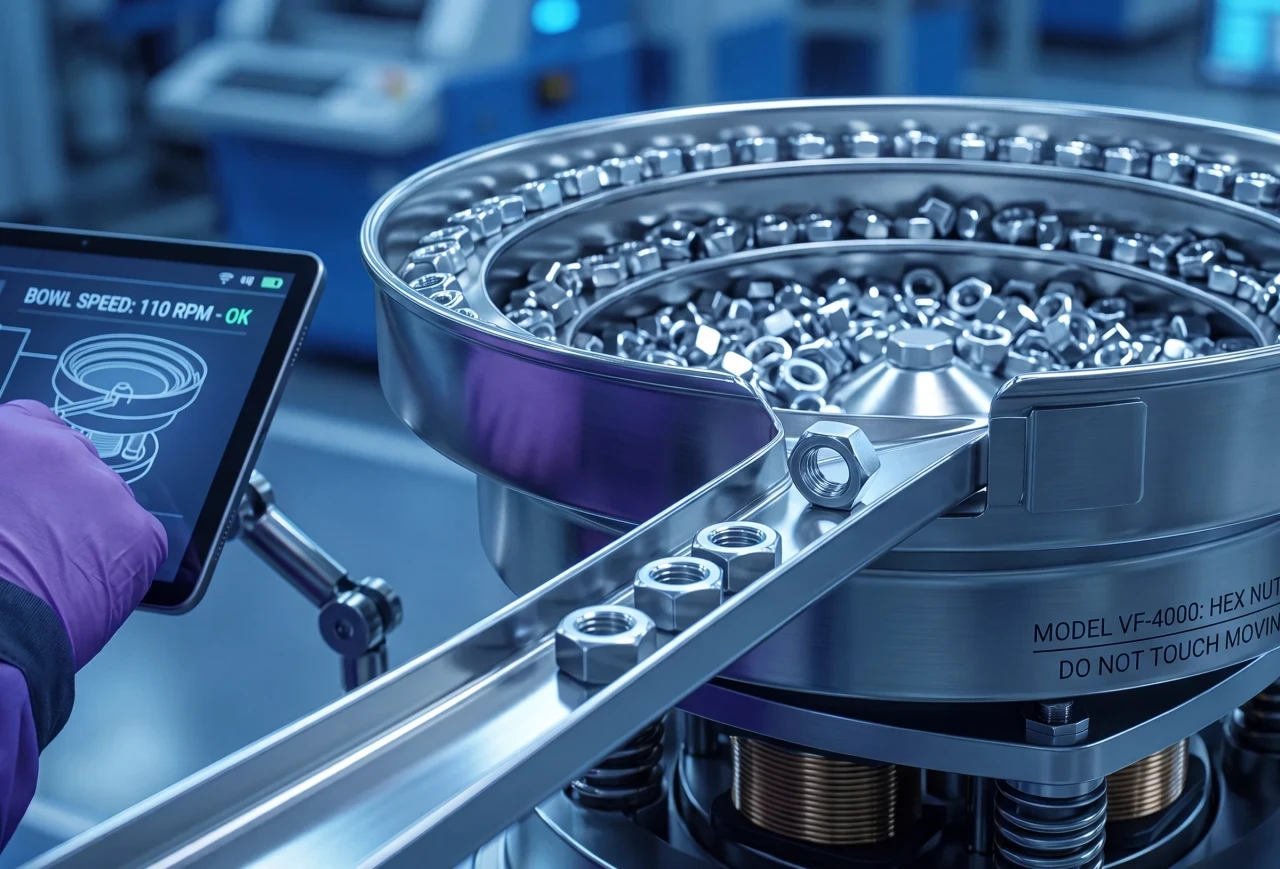
Turn challenges into opportunities
Supply chain disruption, rising cost, workforce shortages, and regulatory pressure continue to challenge manufacturing teams. Ultimo helps manufacturers improve efficiency, increase uptime, and control cost with a focused EAM solution that is practical to deploy, easy to adapt, and built around the way maintenance and operations work.
Customer stories: Ultimo in action


ConMet®
ConMet® installed its first Enterprise Asset Management (EAM) solution in 2018 as part of a broader commitment to achieving the highest standards of production excellence.
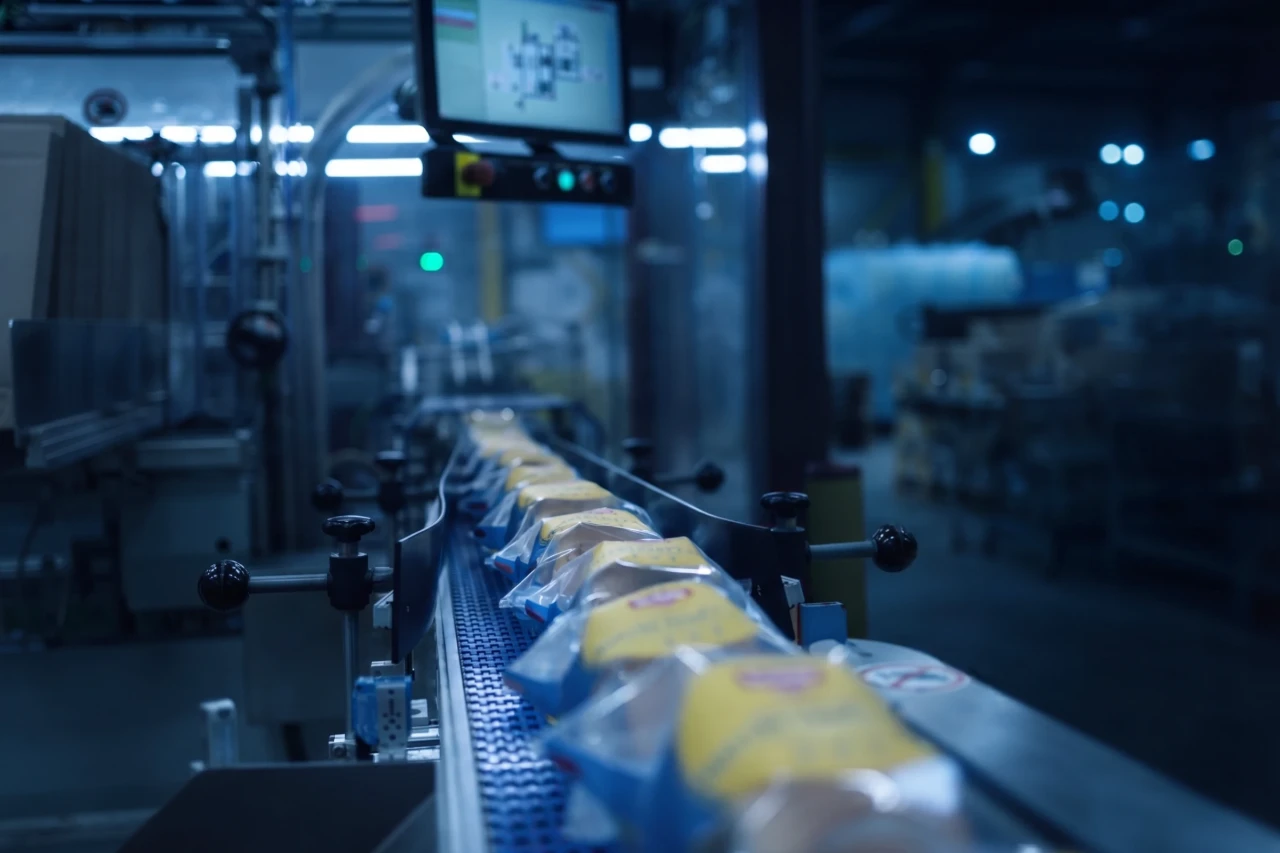

Dr. Schär
Giant food manufacturer Dr. Schär transformed its global production by revolutionizing their maintenance management across 12 production sites with Ultimo EAM software.
Explore more of Ultimo

Frequently Asked Questions
-
EAM in manufacturing is enterprise asset management of production machinery, utilities, facilities, and supporting equipment across plants. It supports preventive and proactive maintenance, work order execution, reliability analysis, spare parts control, compliance, and performance reporting. EAM helps manufacturers protect uptime, reduce unplanned stoppages, and make informed decisions about repair, replacement, and capital investment.
-
Manufacturers cannot run modern operations on spreadsheets, paper work orders, or disconnected maintenance tools. EAM software is the system of record for every production asset across its lifecycle: acquisition, commissioning, preventive and proactive maintenance, work orders, spare parts, HSE, and retirement. Ultimo delivers AI-Embedded EAM, the first EAM solution with agentic AI shipped in production, with intelligence inside the everyday work rather than a separate analytics tool. Customers report 40% downtime reduction (Kisuma Chemicals via FMECA), 25% efficiency gains, and 10% maintenance cost savings.
-
Unplanned downtime is the single biggest destroyer of manufacturing margin. Ultimo addresses it on four fronts: proactive maintenance plans replace reactive firefighting, condition-based maintenance feeds IoT and sensor data into the work order queue, AI-assisted prioritization sequences tickets against criticality and parts availability, and spare parts visibility prevents stock-out delays. Customer outcomes include 40% downtime reduction at Kisuma Chemicals via FMECA and technical efficiency improvements from 94% to 96% at Ysco, delivering hundreds of thousands in annual cost savings.
-
Manufacturers run on a connected stack. ERP holds finance and procurement, MES runs production execution, IoT and SCADA carry the live signals from the line. Ultimo connects with any type of software the manufacturing estate relies on. Certified SAP S/4HANA integration is standard, alongside off-the-shelf integrations into other ERP systems, MES, IoT, SCADA, Asset Performance Management, Document Management, Connected Worker, CAD, BIM, and GIS. Power BI integration brings cross-departmental dashboards into the same intelligence layer. Data flows back so AI-driven suggestions and work orders reflect the live state of the line.
-
ROI timing depends on the maturity stage at the start, the scope at go-live, and how aggressively the team activates progressive intelligence. Customer outcomes give a credible benchmark: Zandvliet reached ROI payback in 6 months, Kisuma Chemicals delivered 40% downtime reduction via FMECA, Ysco improved technical efficiency from 94% to 96%, Montanwerke Brixlegg secured 5% purchasing savings, and Broshuis recovered more than one full FTE through structured asset data. Value lands inside the first year, and every additional capability activated compounds returns rather than restarting the investment cycle.
Let’s connect
See how Ultimo helps manufacturers protect uptime, support safety, and control maintenance performance across production assets.