The pressure healthcare operations are under
Hospitals, clinics, and laboratories are expected to stay available, reliable, and compliant around the clock while managing cost. Three pressures make that harder.
Thousands of medical instruments to keep traceable and safe
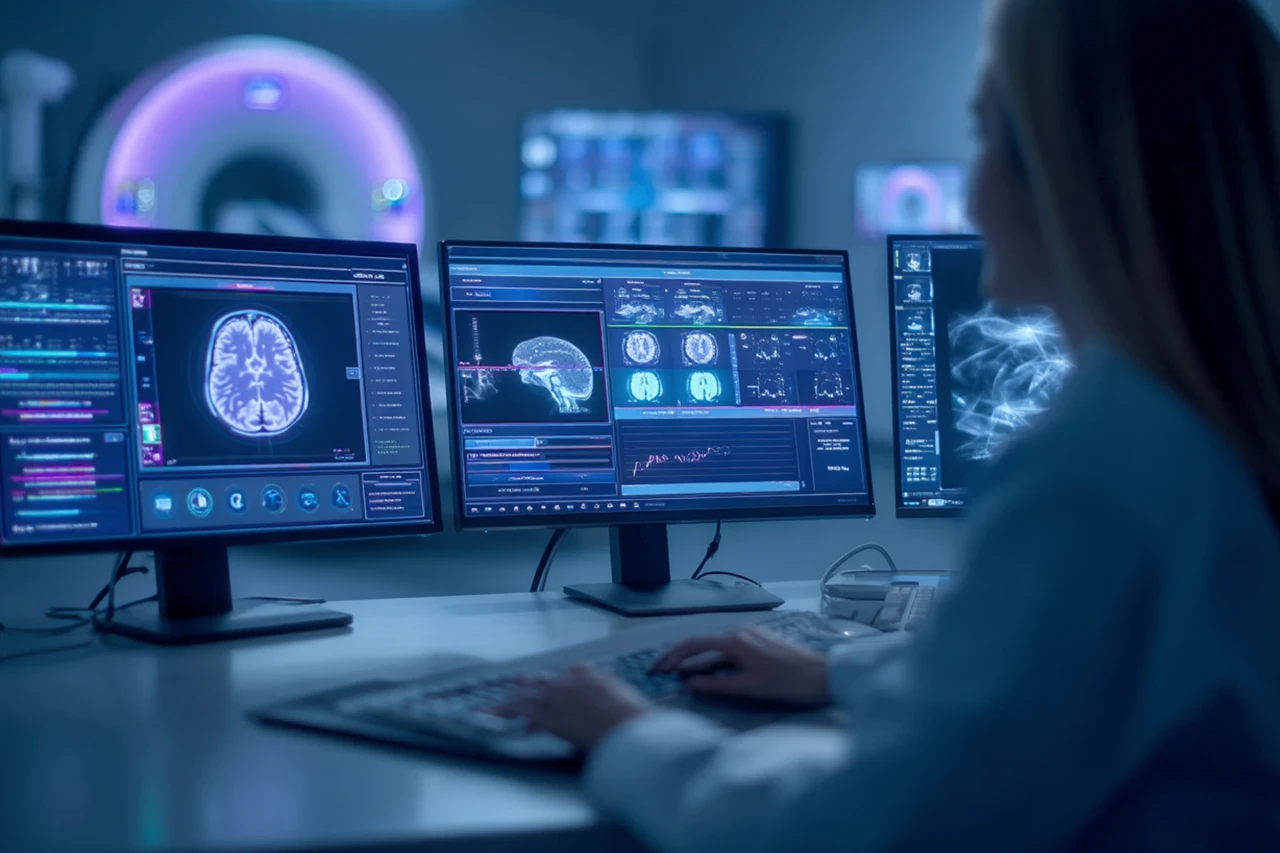
A single hospital can run tens of thousands of medical devices and technical installations. Without reliable asset data, teams lose track of where an instrument is, when it was last inspected, and whether it is ready to use.
AZ Delta keeps 20,000 medical instruments and 42,000 technical installations under control across three sites. Traceability at that scale is the difference between a device that is ready for care and one that becomes an operational risk.
Downtime that reaches the bedside
Outdated processes, weak collaboration between clinical and technical teams, and poor data quality can all drive unplanned downtime. In healthcare, the consequence is not lost output on a production line. It is a critical asset unavailable when care teams need it.
Anticipating asset needs and identifying risk before failure is an operational and clinical priority, not only a cost priority.
Cost expectations that keep rising
Healthcare organizations are asked to improve efficiency without lowering the standard of care. Structured, proactive maintenance helps teams reduce reactive work, extend the life of expensive medical equipment, and lower the cost of keeping the asset base safe and available.

The outcomes healthcare teams reach with Ultimo
Ultimo strengthens the processes that protect equipment uptime, patient safety, and compliance evidence. The result is operational performance healthcare leaders can defend to a board and evidence teams can retrieve when regulators ask for it.
Higher equipment availability
Better asset insight helps teams anticipate needs, plan maintenance, and identify risk before failure disrupts care.
Stronger support for patient safety
Work on high-risk installations is planned, permitted, and logged. At Martini Hospital, Ultimo supports safe work execution on installations such as the central oxygen system, which runs across 10 km of pipes and around 900 objects.
Clearer compliance evidence
Preventive inspections, safety workflows, and asset data sit in one system, so evidence for audits is easier to find, review, and maintain.
Lower cost of ownership
Standardized maintenance and planning help reduce unplanned downtime and extend asset life, lowering the cost of running a safe and available asset base.
How Ultimo supports healthcare asset management
Ultimo brings biomedical devices, facility systems, and compliance workflows into one enterprise asset management solution, so clinical, facilities, biomedical, and technical teams can work from the same asset data.
A dedicated solution for medical devices
Ultimo includes a dedicated solution for medical equipment, with risk-based maintenance parameters teams can tailor to each device class. AZ Delta chose Ultimo for its dedicated medical device solution with adjustable maintenance risk settings, its flexibility, and its integration with real-time location systems that track critical equipment through the hospital.

Facility and technical assets in the same system
Beyond medical devices, Ultimo supports HVAC, medical gas systems, generators, elevators, lab instruments, fleet, and safety systems. One environment for the assets that keep a hospital running reduces the blind spots that appear when equipment is tracked across disconnected tools.

Health, safety, and compliance built into the work
The Ultimo HSE suite covers work permits, Lockout/Tagout procedures, incident management, and management of change. Safety instruction cards, work permits, and inspections are generated and logged as part of the work, helping teams build compliance evidence into daily execution rather than reconstruct it later.

Proactive maintenance instead of firefighting
Ultimo enables proactive, risk-based maintenance planning and failure prevention. Teams can move from reacting to breakdowns - to preventing them, which is where equipment availability, safety control, and cost performance improve.
Mobile execution and shared visibility
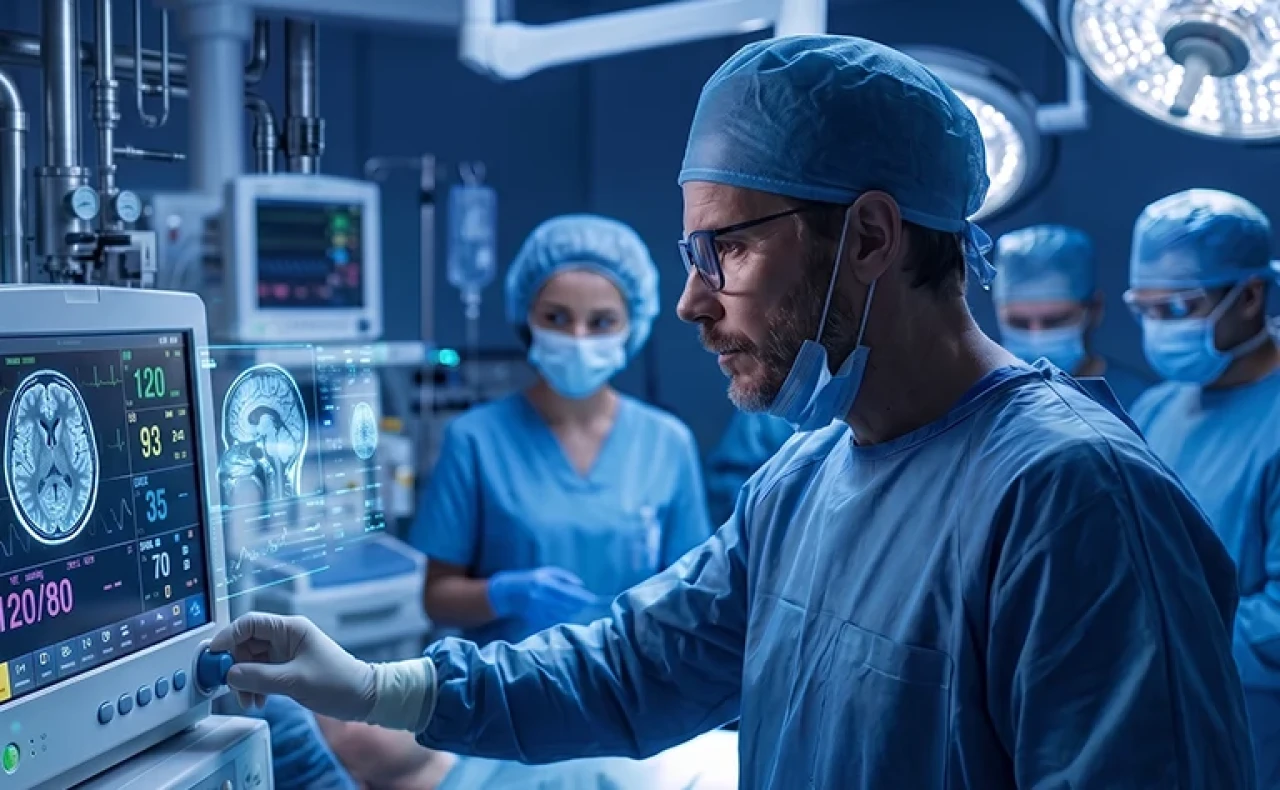
Asset professionals get the data they need at the point of work, register information on site, and process work orders from the floor. Power BI dashboards give clinical, facilities, and technical leaders shared visibility across departments and shifts.

Embedded AI and digital workers in healthcare operations
AI in healthcare maintenance has to be practical, controlled, and transparent. Ultimo embeds AI into the maintenance workflow so teams can work faster and more consistently while keeping people in control of regulated and safety-critical decisions.
Embedded AI can suggest failure causes from maintenance history, draft work instructions for review, and help register completed work. The governance model is clear: AI suggests, a person reviews and confirms, and actions are logged.
Digital workers in the Ultimo AI platform extend that model for more advanced operational use cases. Ultimo’s Maintenance Planner agent consolidates maintenance data into a proactive morning briefing and prepares work before the shift starts.
For healthcare teams, the relevant principle is controlled operational support. AI can help prepare, prioritize, and document work, while people remain responsible for regulated decisions and clinical-context judgment.
Proven in healthcare

Martini Hospital
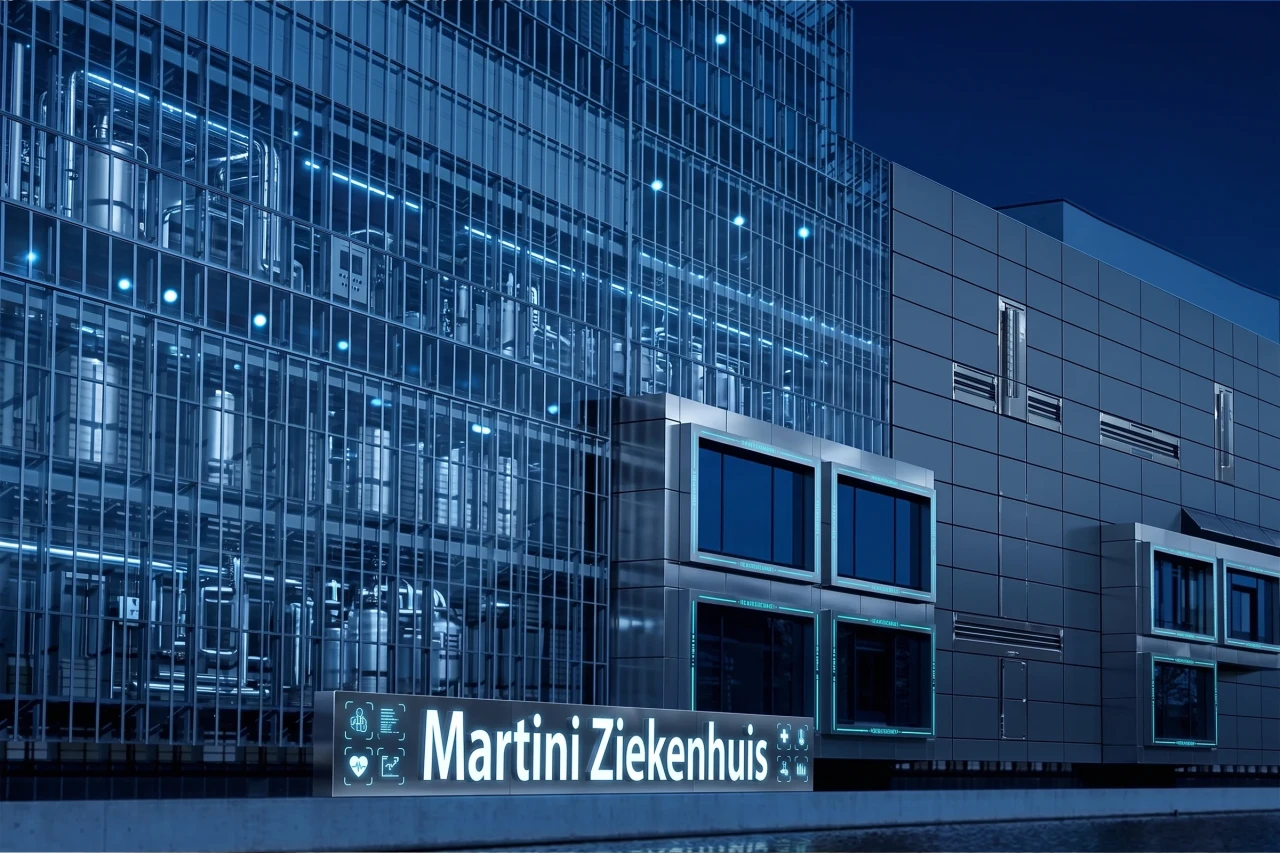
Hospitals have a great deal of high-risk installations like the central oxygen installation that consists of 10 km of pipes and 900 objects. Ultimo ensures that work on these installations is done safely.


AZ Delta
'It is amazing to be able to collect accurate data, but it only becomes really valuable when you do something with it.' AZ Delta strives to gain as much value as possible from systems, such as IFS Ultimo.
Trust, security, and compliance
Healthcare asset data carries obligations, and Ultimo is built for secure, controlled asset management.
Deployed on Microsoft Azure at 99.98 percent average availability, with a rolling cloud release and no disruptive upgrade projects.
SOC 2 Type II compliant and ISO certified.
Certified SAP S/4HANA integration and off-the-shelf connectors, so Ultimo fits the existing IT landscape rather than replacing it.
For North American healthcare organizations, Ultimo supports FDA compliance requirements where relevant.
Ultimo is a focused EAM specialist backed by the scale and resources of IFS, pairing dedicated asset management depth with enterprise stability.

The fastest path to value
Healthcare teams do not have a year to wait for a maintenance system to go live. With the Ultimo Configuration Tool, your own team can tailor workflows, fields, and dashboards without a large consulting program or in-house development project.
Combined with healthcare templates built on operational best practice, that means decision to go live in as little as three months, with a system that can keep adapting as the organization matures.
Frequently Asked Questions
-
EAM in healthcare is enterprise asset management for medical, facility, and technical assets across hospitals, clinics, and laboratories.
It supports biomedical equipment maintenance, preventive inspections, regulatory compliance, safety workflows, and asset performance tracking. The goal is to help protect patient safety, keep critical equipment available, and support compliance with healthcare regulations and standards. -
CAFM focuses on buildings, floor plans, space, and occupancy.
EAM focuses on physical assets such as equipment, machinery, and infrastructure across operations.
In healthcare, CAFM is typically used for building and workplace services, while EAM extends further into equipment reliability, preventive inspections, and compliance for assets that directly support care delivery and operational continuity. -
EAM focuses on physical assets such as medical equipment, facility systems, machinery, vehicles, and infrastructure.
ITAM focuses on technology assets such as workstations, servers, software licenses, and cloud resources.
Both disciplines rely on strong asset data and governance. In mature organizations, they often run in parallel with the right level of integration between them. -
In healthcare, EAM software can manage a wide range of assets, including medical devices such as infusion pumps, ventilators, imaging systems, patient monitors, and sterilizers.
It can also support facility assets such as HVAC, medical gas systems, elevators, and generators, along with lab instruments, fleet equipment, and safety systems. The objective is consistent uptime, preventive inspections, and better control over compliance and patient safety risk. -
The best healthcare asset management software depends on the complexity of the asset base, the compliance environment, and how closely clinical, facilities, and technical teams need to work together.
The right system should support biomedical devices, facility equipment, and compliance workflows in one environment. It should also be assessed against factors such as regulatory fit, asset visibility, implementation practicality, integration with relevant operational data, and support for patient safety reporting.
For most healthcare organizations, the best fit is the one that helps reduce operational risk, improves equipment availability, and supports compliance without adding unnecessary complexity. -
Asset utilization improves when maintenance software helps teams work from reliable asset data, schedule preventive and proactive maintenance effectively, and identify risk before failure causes disruption.
Strong systems support better planning, more targeted inspections, faster parts availability, and clearer visibility across teams. Combined with the right KPIs and operational discipline, this helps reduce unplanned downtime and increase the proportion of time each asset delivers productive output.
See Ultimo in action
Get your questions answered. Schedule a personalized demo and see how Ultimo helps protect equipment uptime, support patient safety, and manage compliance across your asset base.