
We sat down with nine people across the business, from the VP who led the project to the foundry tech on the floor, to find out more.
What Actually Changed - In Numbers
Work orders that took 15–30 minutes to sync on the old server-based system now “update instantly” via the cloud
Teams report the switch “saved multiple hours a day” compared to the old sync-based process
ConMet has “reduced inventory dollars” and gained real lead-time visibility across its storerooms
Three years after go-live, the company still runs “weekly meetings” with the same Ultimo consultant - support that multiple interviewees say resolves issues within a week, sometimes same-day
Every single person interviewed - with no prompting - said they now “trust the data” they work from, several calling it the biggest shift from the old, paper-based way of working.
For context: Daimler has recognized ConMet as a top-performing manufacturer for roughly 30 consecutive years. This is not a company that hands out praise lightly, on camera, unless it's earned.
A Move Nobody Chose
ConMet implemented its original EAM system in 2018, across nine US production facilities.
When the platform reached end-of-life in 2022, ConMet faced the need for a large-scale replacement. Purchasing, engineering, manufacturing, maintenance, and asset management all had to align around a decision nobody in the room wanted to be making.
An Evaluation Most Vendors Never See
What ConMet did next is the part worth studying. Instead of rushing a replacement, the team spent about a year running a genuine head-to-head evaluation between Ultimo and one legacy-installed US competitor - distilled into six clearly defined test categories (things like integration with systems such as SAP) rather than an endless line-item checklist.
Patrick Rowson, ConMet's Equipment Asset Manager, went further, embedding a personal video into the requirements documentation to explain exactly what the team needed and why.
The Plant They Picked on Purpose
When it came time to choose a pilot facility in 2023, ConMet didn't pick its newest or most modern plant. It picked Monroe - specifically for the strength of its management team and its readiness to adopt change. The site's own maintenance superintendent, who's now lived through three separate system transitions, describes his team as the intentional "guinea pigs" for testing it.
Rollout followed the same logic: start with early-adopter plants who had a live problem the old system wasn't solving, let them become internal ambassadors, then bring the rest of the business along. A joint ConMet/Ultimo team ran a two-week on-site surge to get critical functionality live, running the old and new systems in parallel so production never stopped.
"Nobody Likes Change" - Until They Did
If there's one line that shows up, almost word for word, in every single interview, it's this: nobody liked the idea of learning a new system.
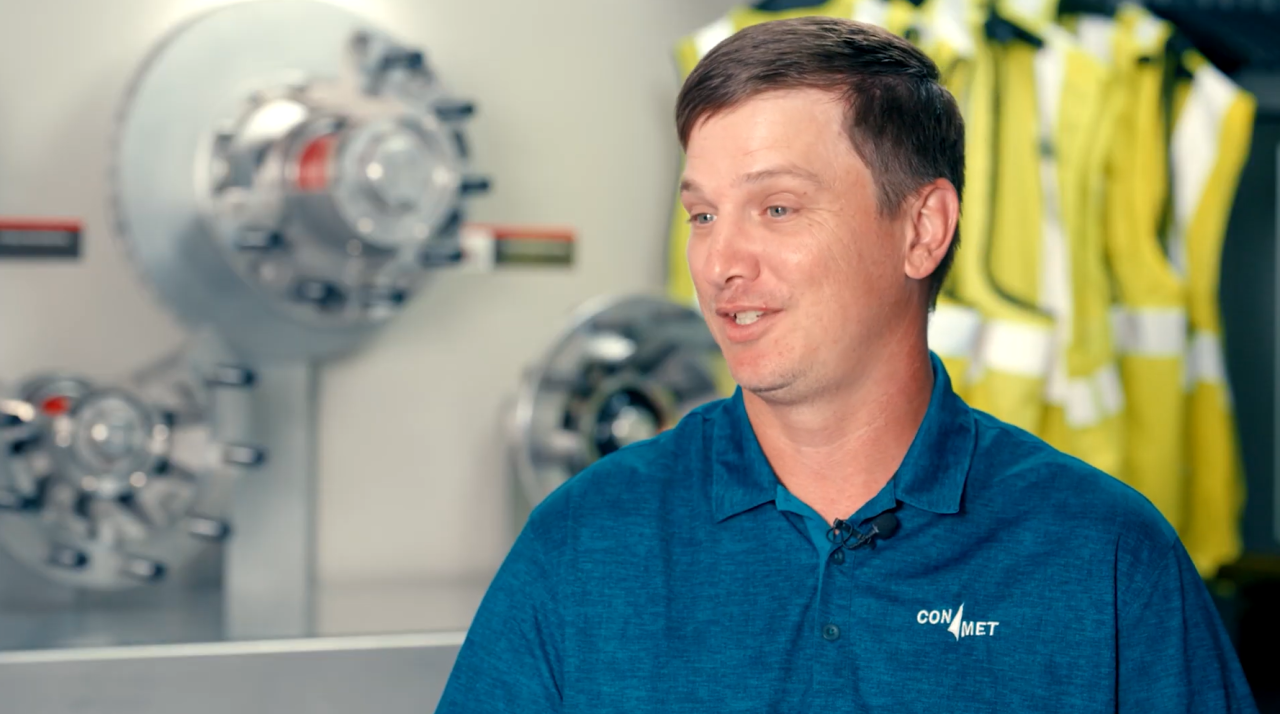
"Nobody likes change. And even when something's good for us, we still don't want it." Steven Stockinger, Maintenance Superintendent
And yet, consistently, that reluctance flipped fast - most teams describe full adoption within four to eight weeks.
"Change is scary. Take the leap, because it was so easy to transition. Honestly, it was the easiest transition." - Megan Holden, Maintenance Planner
What's Next for ConMet
The story doesn't stop at go-live. ConMet is now building custom workflows inside Ultimo, expanding usage into administrative and project-management work, and using artificial intelligence (AI) on top of Ultimo's data to auto-summarize machine failure modes - work that used to mean manually reading every work order.
Hear It Directly From ConMet
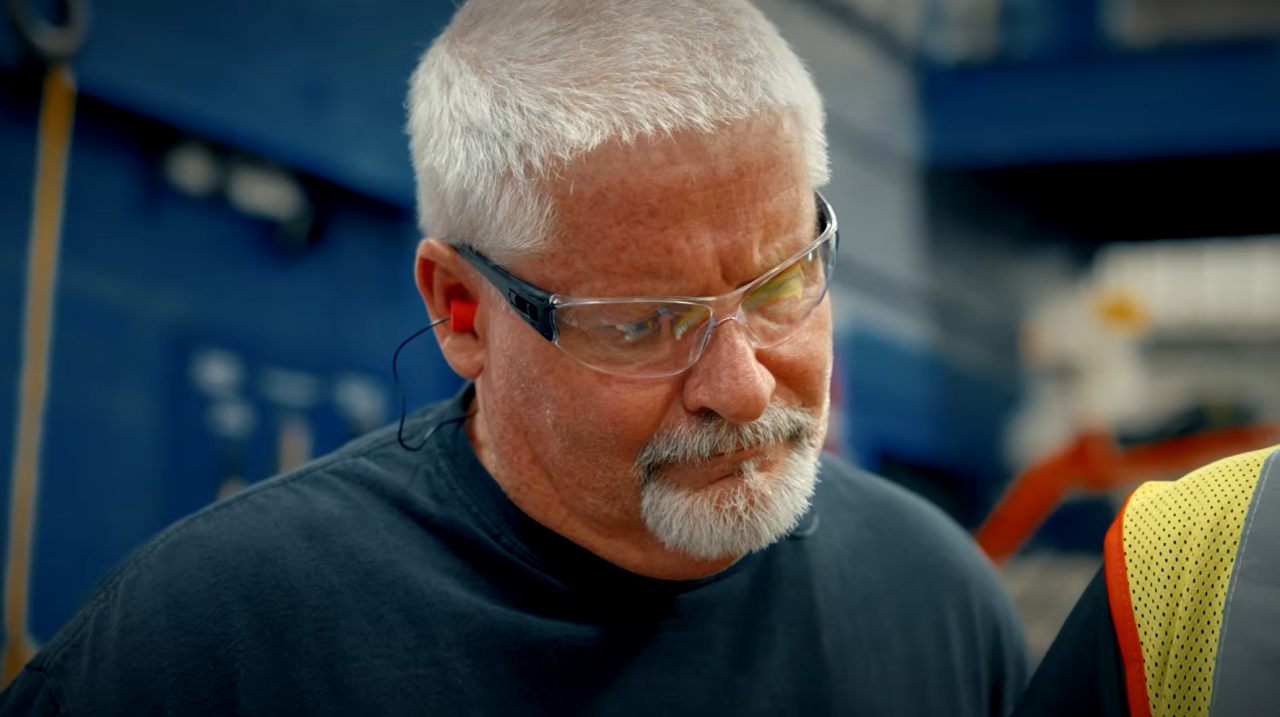
Everything above is the summary. The full podcast goes deeper: nine unscripted conversations, recorded on camera at the Monroe plant, including the moment a foundry tech tells us - unprompted - that the system is "a game changer."
Listen to the full episode embedded below.
Facing Your Own End-of-Life System?
If your team is staring down an aging platform, or you just want to see what a genuinely well-run EAM transition looks like from the people who lived it, let’s talk.
Get in touch with our US team to start the conversation.
