
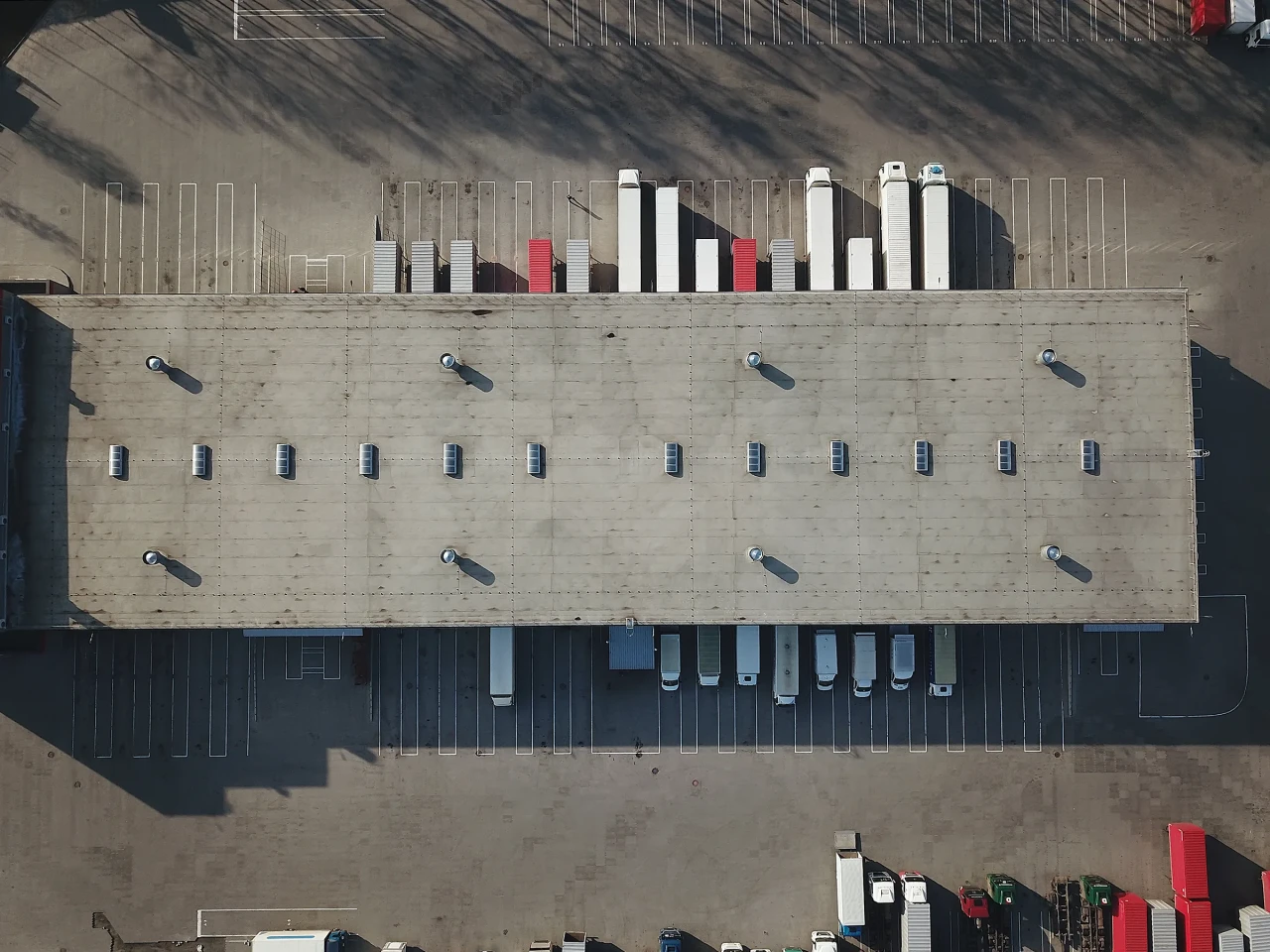
Concurrent challenges
Carriers and shippers are working to navigate geopolitical issues. To help maintain high levels of communication, logistics companies need increased visibility and reliability of enterprise assets.
Lack of asset insights
Logistics plan and prepare the flow of goods. Assets are often on the move, and with the transportation process comes the requirement to track the real-time performance and condition of these assets.
Poor data quality, inefficiency
Supply chain disruptions make it necessary to continuously optimize planning. Quality data is what drives efficiency gains.
External factors, higher costs
Geopolitical tensions and unrelenting labor shortages have sent energy, labor and asset management costs soaring throughout the supply chain. Logistics providers need to be in the driver’s seat.

Manage enterprise assets for strategic agility
Ultimo helps logistics companies access real-time information for responsiveness. The cloud-based EAM solution delivers direct insight and best-of-breed integrations across your enterprise. The fleet maintenance management system supports efficient maintenance planning of your fleet.

Flexible and out of the box
Unlock new possibilities in your assets. Your people can easily access the cloud-based Ultimo EAM solution––from any desktop or mobile device––to quickly connect with best practices for logistics.
Effectively monitor performance
Make more informed decisions faster with Ultimo’s PowerBI integration. A range of reports help logistics companies delve into business intelligence for improved asset performance.
Unparalleled ROI
Higher uptime, controlled costs and worker safety contribute to your strategic goals. In logistics, Ultimo fleet management software can be a transformational lever to achieve these goals by helping you secure the full potential of your assets.
Ultimo delivers


Turn challenges into opportunities
Supply chain issues, rising costs and regulatory changes put logistics companies under pressure. Ultimo is the pure-play EAM solution to boost efficiency, increase uptime and control costs. It is your key to unlocking profitability and resiliency.


Discover all capabilities

Frequently Asked Questions
-
The strongest reliability outcomes do not come from platform name alone. They come from how well the EAM supports disciplined execution across the asset lifecycle.
In practice, the biggest improvements in asset reliability tend to come from EAM platforms that support:
clean, trusted asset data
mature preventive and proactive maintenance
reliable mobile execution in the field
strong integration with ERP, IoT, and related systems
embedded intelligence grounded in operational and EAM data
Reliability gains are usually strongest where adoption is broad, workflows reflect operational reality, and maintenance teams can act on insight consistently at scale. -
In supply chain, EAM refers to enterprise asset management for the physical assets that keep goods moving.
That includes vehicles, trailers, forklifts, conveyors, sorting systems, warehouse equipment, and cold storage infrastructure. EAM helps organizations manage preventive and proactive maintenance, inspections, safety compliance, and uptime across that asset base.
It complements systems such as transportation and warehouse management by helping protect the physical performance that throughput depends on. -
Transportation and logistics management is the coordination of how goods move from origin to destination across carriers, modes, and facilities.
It typically includes route planning, carrier management, warehouse operations, inventory control, compliance, and customer service. Strong programs balance cost, speed, safety, and reliability, supported by systems such as TMS, WMS, and EAM.
For leadership teams, the goal is not simply movement. It is resilient, cost-effective flow across the network. -
EAM services typically include implementation, legacy data migration, integration with ERP and connected systems, process design, reporting setup, mobile rollout, user training, and ongoing support.
In larger programs, services may also include asset criticality analysis, reliability strategy design, and continuous improvement reviews. The aim is not only to deploy software, but to help the organization improve maintenance maturity, execution consistency, and long-term asset performance. -
In transportation and logistics, EAM covers the physical assets that support movement, storage, and continuity of service.
That can include vehicles, trailers, forklifts, conveyors, sorting and scanning equipment, warehouse racking, refrigeration, and loading infrastructure. EAM supports preventive and proactive maintenance, inspections, safety checks, compliance documentation, and spare parts control.
It also helps track downtime, asset cost, and reliability, giving operators better control over uptime, safety, and operating efficiency. -
Fleet management software is typically focused on the vehicle layer, including telematics, driver behavior, fuel, routing, and basic vehicle maintenance.
EAM covers a broader set of physical assets across the operation, including warehouse equipment, facility systems, refrigeration, and other infrastructure that logistics performance depends on. Many organizations use both, combining vehicle insight with deeper maintenance and asset management workflows across the wider operation.